

 FR
FR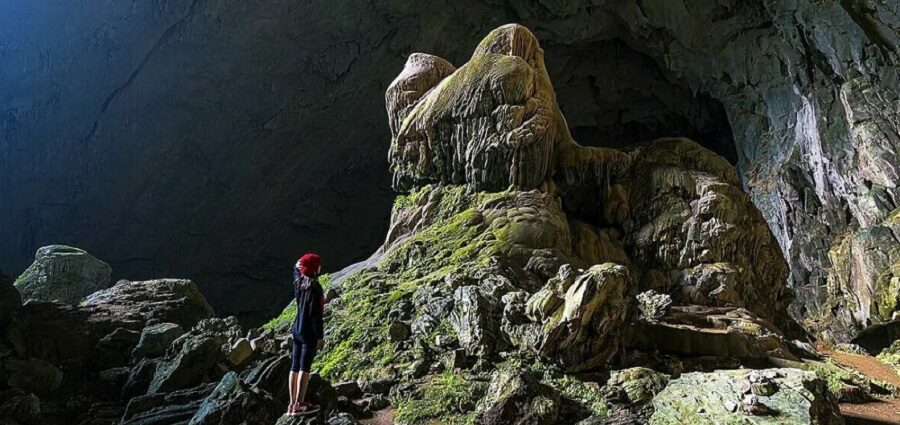
Everything You Need to Know Before Visiting Kho Muong Village & Bat Cave in Pu Luong
Tucked deep within the limestone valleys of Pu Luong Nature Reserve lies Kho Muong Village, one of the most authentic and untouched ethnic communities in northern Vietnam. Surrounded by forested karst mountains and home to the mysterious Bat Cave (Hang Doi), this area offers a rare chance to disconnect from modern chaos and reconnect with nature and culture. Visit Kho Muong Village and Bat Cave Trekking Culture & Nature in Pu Luong
If you’re planning a visit to Pu Luong, Kho Muong should be high on your list. Here’s everything you need to know before you go.
Where Is Kho Muong Village?
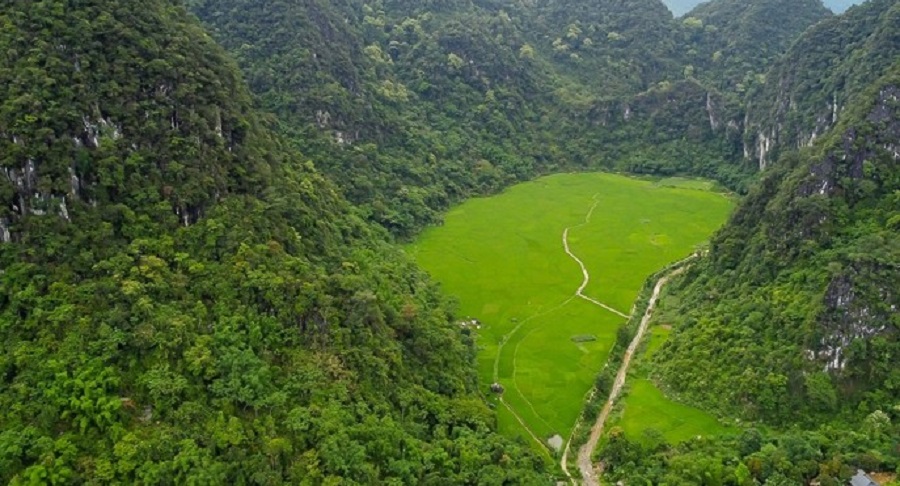
Kho Muong Village is located in Thanh Son Commune, Ba Thuoc District, Thanh Hoa Province, within the core zone of Pu Luong Nature Reserve.
It is one of the most remote and scenic villages in the reserve, nestled in a valley that’s surrounded by dramatic limestone cliffs.
How to Get to Kho Muong
Getting to Kho Muong requires a bit of effort, but that’s what keeps it special.
From Hanoi: By car/motorbike (recommended for experienced riders):
- Travel via QL6 → QL15 → Pu Luong. The last stretch includes a steep and narrow path.
Travel time: ~5 hours (170–180 km depending on route)
From other Pu Luong destinations:
- From Don Village: ~15 km (~45 mins by motorbike)
- From Ban Hieu: ~25–30 km
- From Pho Doan Market: ~12 km
Tip: Many eco-lodges and homestays in Pu Luong offer guided treks or vehicle transfers to Kho Muong. If you’re hiking, expect steep climbs and slippery paths in the rainy season.
Things to Do in Kho Muong
-
Visit the Bat Cave (Hang Dơi)
- One of the largest caves in Pu Luong, stretching over 2.5 km underground.
- Formed by subterranean rivers over millions of years.
- Home to five species of bats, though sightings are seasonal.
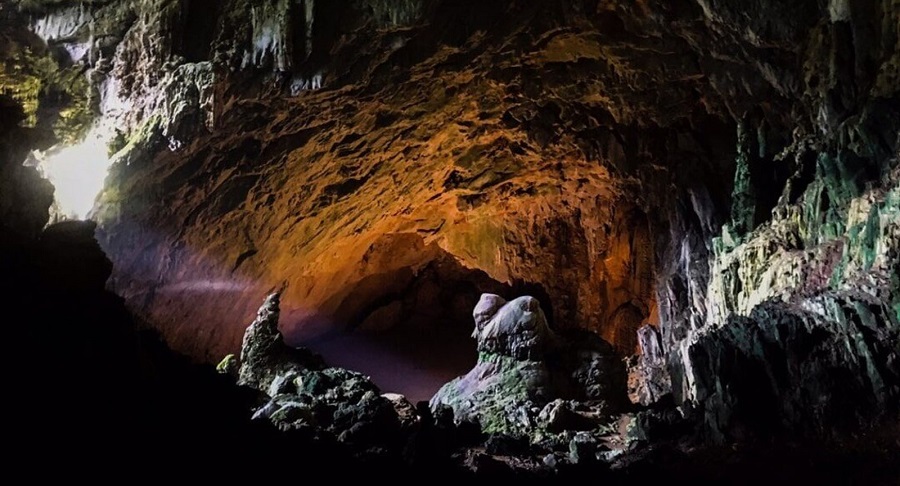
- Explore massive chambers with stalactites, natural stone pillars, and limestone walls.
- Bring a headlamp or flashlight; the cave has no artificial lighting.
Wear sturdy shoes. Some parts are slippery and dark.
-
Experience Traditional Thai Culture
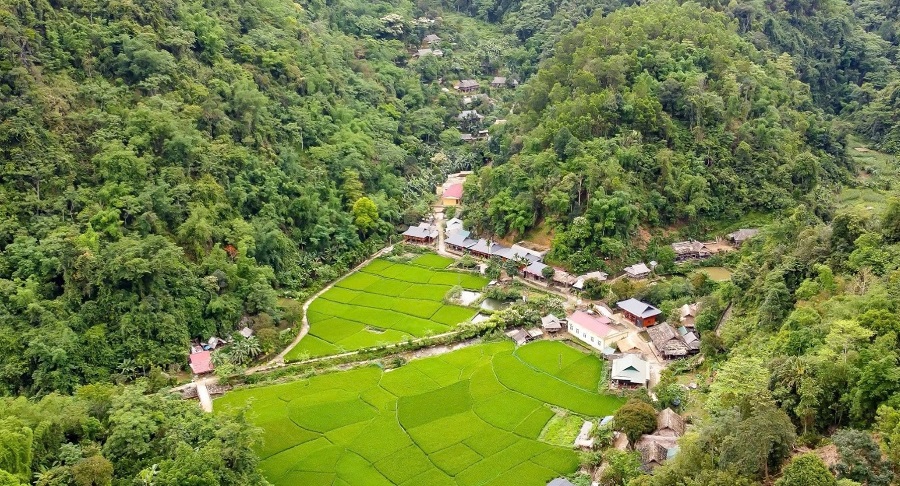
- Kho Muong is inhabited by the White Thai ethnic group, known for their stilt houses, weaving skills, and communal lifestyle.
- Join a local meal, try sticky rice steamed in bamboo (cơm lam), and sample rice wine.
- Learn how locals farm rice, raise animals, and live in harmony with the forest.
Most families are happy to host you for a meal or even an overnight stay.
-
Trek Through the Valley
- The trails around Kho Muong offer panoramic views of rice terraces, bamboo groves, and misty mountains.
- Ideal for nature photography and slow travel.
- Look out for water wheels, traditional farming tools used to irrigate rice fields using river current.
Best Time to Visit Kho Muong
| Season | Highlights |
| May – June | Lush green rice fields, good weather |
| September – October | Golden rice harvest season, clear skies |
| Nov – Feb | Cool weather, dry paths for trekking |
| July – August | Rainy season; cave exploring may be limited |
Avoid rainy season if possible — trails can become dangerously slippery.
Where to Stay
There are two main options: in the village (recommended for immersion):
- Simple Thai-style homestays in wooden stilt houses
- Basic amenities: mattress, mosquito net, shared bathroom
- Home-cooked meals included in most stays
Price: ~$30–50 USD/night with meals
Stay in surrounding eco-lodges:
- Choose a lodge in Don Village or Son Ba Muoi, then do a day trip to Kho Muong
What to Bring
- Trekking shoes or sandals with grip
- Lightweight, quick-dry clothing
- Flashlight or headlamp (for the cave)
- Eco-friendly bug spray and sunscreen
- Refillable water bottle
- Small cash for meals, souvenirs, and tips (no ATMs nearby)
- Respectful clothing (locals are modest)
Etiquette & Safety Tips
- Ask permission before taking photos of people
- Don’t enter stilt houses uninvited – knock and wait to be welcomed
- Keep noise levels low – village life is peaceful
- Avoid plastic waste – bring a tote or reusable bag
- Watch your step – trails can be narrow and unpaved
Be mindful. Kho Muong is not a “tourist site” but a living community.
Photography Tips
- Early morning: capture misty mountains and village scenes with soft light
- Golden hour: the valley glows as the sun dips behind the limestone cliffs
- Inside the cave: use a flashlight + long exposure (tripod optional but helpful)
Itinerary (2 Days, 1 Night)
Day 1: Arrive at Kho Muong before lunch / Lunch with host family
- Afternoon trek to Bat Cave and explore its chambers
- Sunset from a nearby trail
- Dinner + cultural exchange (music, stories, rice wine)
Day 2: Morning walk through rice paddies
- Breakfast + farewell
- Hike or transfer to Don Village or Pho Doan Market
Final Thoughts
Visiting Kho Muong Village & Bat Cave is like stepping into a storybook—one written in stone, woven in silk, and whispered on mountain winds. It’s not polished, commercial, or crowded—and that’s exactly the point. Visit Kho Muong Village and Bat Cave Trekking Culture & Nature in Pu Luong
Whether you’re a cultural traveler, a nature enthusiast, or simply someone seeking authenticity, Kho Muong will speak to you—softly, slowly, deeply.
FAQ – Visit Kho Muong Village and Bat Cave: Trekking, Culture and Nature in Pu Luong
Useful answers for visiting Kho Muong Village and Bat Cave in Pu Luong: trekking, limestone valley scenery, White Thai culture, homestays, local food, cave safety, best season and responsible travel.