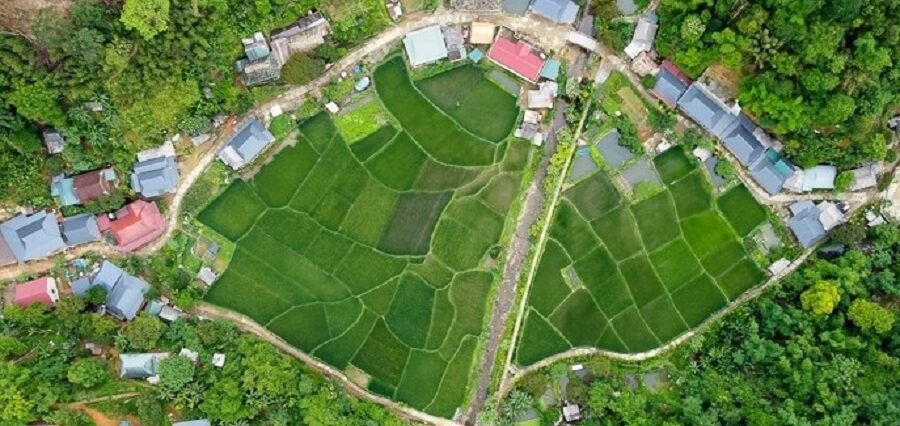
A Tranquil Day in Uoi & Lan Villages and Authentic Life in Pu Luong
There are places that make you slow down and breathe deeper not because time stops, but because life flows more gently there. Uoi and Lan Villages in Pu Luong are such places. Discover Uoi and Lan Villages Bamboo Water Wheels and Authentic Life in Pu Luong
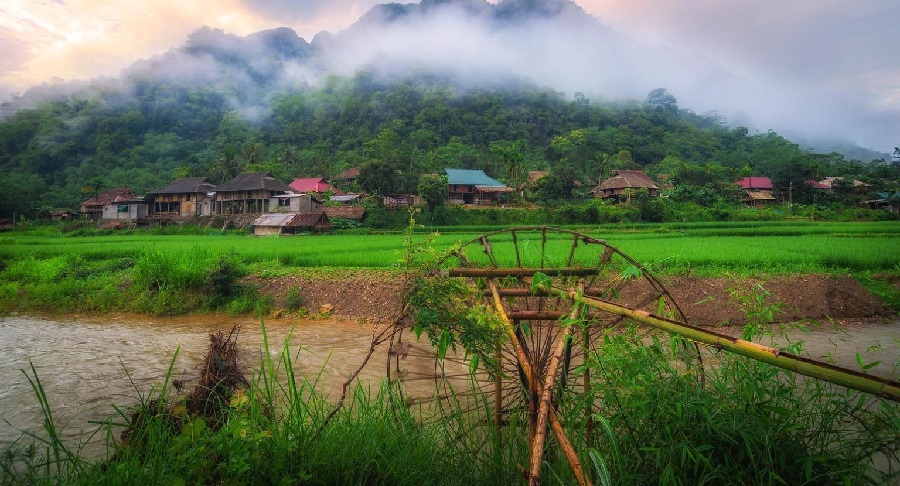
Tucked into the embrace of rice paddies, rolling hills, and a symphony of rustling bamboo, these twin villages seem to exist in a time untouched by hurry. Here, water doesn’t just run it turns. It turns the elegant bamboo water wheels (known locally as guồng nước), spinning gracefully with each pulse of the stream, lifting water from the river to nourish the fields and the life they sustain.
A Gentle Welcome
Arriving in Uoi Village feels like stepping into a watercolor painting. The dusty trail opens to views of golden rice terraces curved like fingerprints over the hillsides. The people, mostly ethnic White Thai, greet you with warm smiles, woven scarves, and the earthy smell of sticky rice steaming in clay pots.
Children run barefoot, chasing dragonflies. Elders sit under stilted wooden houses, sipping green tea and weaving dreams into fabric. It’s not just a village. It’s a slow, rhythmic poem of daily life.
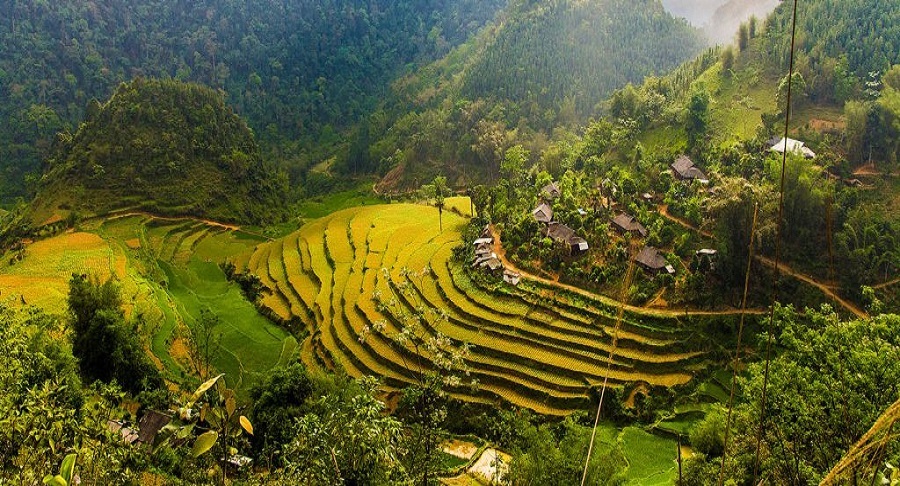
Where Water Dances in Circles
What sets Uoi and Lan apart isn’t just their peaceful pace it’s the hypnotic motion of the bamboo water wheels. Built entirely by hand, these wooden machines are feats of both utility and beauty. Powered by the current, they lift water into hollowed bamboo troughs that channel it toward the rice terraces, flowing seamlessly across small dams and stone ditches.
For photographers, it’s magic. For travelers, it’s meditation.
You can sit for hours beside a bamboo bridge, listening to the steady trickle and click of water, mesmerized by the mechanical poetry of wood and stream. It’s sustainable engineering, passed down for generations, still alive today without ever needing to be modernized.
A Day in the Villages
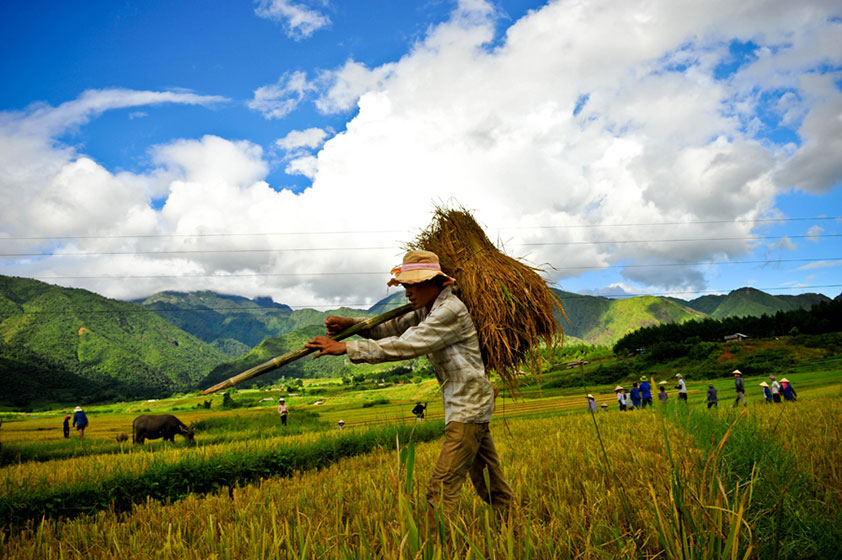
Wake up early and wander the trails connecting Uoi to Lan Village. The morning mist rises gently from the paddies, wrapping the landscape in a silver veil. Locals head to the fields with woven baskets on their backs and songs in their hearts.
If you’re lucky, you’ll be invited into a family home. You might share a meal of grilled mountain chicken, bamboo shoots, and canh lá đắng a traditional soup with wild herbs that tastes of both bitterness and healing. Everything you taste is grown or foraged locally, often by the hands serving it to you.
In the afternoon, take a short walk to the river. You’ll likely see villagers repairing or building new water wheels—each one unique, built from local materials using techniques that balance water pressure, elevation, and gravity. No nails. No concrete. Just knowledge, intuition, and time.
Slow Travel, Deep Connection
Uoi and Lan Villages are not tourist hubs. There are no big signs, no ticket counters. But therein lies their magic.
Travelers who find their way here are often welcomed like family. You can stay in a rustic homestay sometimes just a mattress on a bamboo floor and a mosquito net—but the richness lies in the connection: helping prepare dinner, listening to stories, learning how the water wheel works, or simply sitting quietly together.
If you’re a traveler looking for an escape from mass tourism and into meaningful moments, this is your place.
The Soul of Pu Luong
While Pu Luong is home to many natural marvels waterfalls, caves, mountain peaks Uoi and Lan Villages capture something more intangible: the harmony between people and nature.
The water wheels of Pu Luong are more than functional tools. They are a symbol of ingenuity without excess, of living with the land rather than from it. They are quiet revolutions that continue to turn—just as they have for hundreds of years—unhurried, unchanged, and unbothered by time.
Final Thoughts
We live in a world that celebrates speed. But in Uoi and Lan Villages, slowness is the gift. You begin to notice the elegance in everyday things—the crunch of gravel underfoot, the laughter of children, the way bamboo creaks in the wind, and how water never stops moving, but always gives life as it flows. Discover Uoi and Lan Villages Bamboo Water Wheels and Authentic Life in Pu Luong
Let yourself be still in this place. Let yourself be moved by what’s ancient, what’s simple, and what endures.
FAQ – Discover Uoi and Lan Villages: Bamboo Water Wheels and Authentic Life in Pu Luong
Useful answers for visiting Uoi and Lan Villages in Pu Luong: bamboo water wheels, White Thai culture, trekking, local food, homestays, photography tips, responsible travel and authentic village life.
?
1. Why should I visit Uoi and Lan Villages in Pu Luong?
+
Uoi and Lan Villages are ideal for travelers looking for the quieter, more authentic side of Pu Luong. Instead of crowded viewpoints or staged attractions, you will find rice paddies, bamboo water wheels, traditional stilt houses and a peaceful rhythm of daily life.
These villages are especially rewarding for visitors who enjoy slow travel, photography, cultural encounters and meaningful experiences in northern Vietnam.
?
2. What are Uoi and Lan Villages famous for?
+
Uoi and Lan are best known for their bamboo water wheels, known locally as guồng nước. These hand-built wooden and bamboo structures use the natural current of the stream to lift water into bamboo channels and guide it toward the rice fields.
They are not only beautiful to watch, but also an important part of local farming life, showing how White Thai communities in Pu Luong have lived in harmony with water, land and rice cultivation for generations.
?
3. Where are Uoi and Lan Villages located?
+
Uoi and Lan Villages are located in Pu Luong, Thanh Hoa Province, northern Vietnam. They sit among rice paddies, rolling hills and bamboo groves, away from the busier tourist areas.
Travelers often combine them with Don Village, Kho Muong or other scenic parts of Pu Luong Nature Reserve for a fuller countryside experience.
?
4. How do I get to Uoi and Lan Villages?
+
Most travelers reach Uoi and Lan by motorbike, private car or guided walk from nearby villages in Pu Luong. The route may include narrow rural roads, dirt paths and scenic trails through rice fields.
Because signage is limited and local roads can change with the weather, going with a local guide is recommended, especially if you want to understand the bamboo water wheels and village culture rather than simply pass through.
?
5. Are Uoi and Lan Villages good for trekking?
+
Yes, Uoi and Lan are excellent for light trekking or a gentle countryside walk. The trails connect rice fields, bamboo bridges, small streams, stilt houses and quiet village paths.
This is a good option for travelers who want a soft adventure in Pu Luong without a difficult mountain trek. Comfortable walking shoes are still important, especially after rain when paths can become muddy or slippery.
?
6. What makes the bamboo water wheels in Pu Luong special?
+
The bamboo water wheels are special because they combine practical farming knowledge with simple, sustainable design. Built by hand from local materials, they work without electricity, concrete or modern machinery.
Watching the wheels turn slowly beside the stream is one of the most memorable experiences in Uoi and Lan. It reflects the deep connection between local people, flowing water and the rice terraces that shape life in Pu Luong.
?
7. When is the best time to photograph the bamboo water wheels?
+
The best time to photograph the bamboo water wheels is early morning or late afternoon, when the light is softer and the landscape feels more atmospheric. Morning mist over the paddies can add a beautiful mood to your photos.
For respectful photography, avoid blocking village paths or farming work. Always ask permission before taking close-up photos of local people, especially elders, children or families around their homes.
?
8. What local experiences can I have in Uoi and Lan Villages?
+
In Uoi and Lan, you may have the chance to share tea with a local family, watch weaving under a stilt house, observe villagers repairing water wheels or enjoy a simple meal prepared with local ingredients.
The experience is not about entertainment or performance. Its value comes from real village life: the smell of sticky rice, the sound of water, the rhythm of farming and the quiet hospitality of the White Thai community.
?
9. Can I stay overnight in Uoi or Lan Village?
+
Overnight stays may be possible in simple local homestays, depending on availability and local arrangements. These stays are usually rustic, with basic bedding, mosquito nets and shared facilities.
If you prefer more comfort, you can stay in Don Village or at a boutique nature retreat such as Hanasa Pu Luong Resort, then visit Uoi and Lan as a day trip or guided village walk.
?
10. What can I eat during a visit to Uoi and Lan?
+
Meals in Uoi and Lan are usually simple, local and seasonal. You may find sticky rice, grilled mountain chicken, bamboo shoots, wild herbs and canh lá đắng, a traditional bitter leaf soup known in the region.
Food is often grown, foraged or prepared locally, which makes the meal feel closely connected to the land and the people serving it.
?
11. What should I bring when visiting Uoi and Lan Villages?
+
Bring comfortable walking shoes, lightweight clothing, sunscreen, insect repellent, a refillable water bottle, a hat and a light rain jacket. A power bank and a waterproof phone pouch can also be useful if you plan to take photos near streams or water wheels.
Carry some small Vietnamese dong notes for local meals, drinks, guide services or small village purchases, as card payment is not common in rural areas.
?
12. How can I visit Uoi and Lan Villages responsibly?
+
Visit slowly, keep noise low and stay on existing paths to avoid damaging fields or irrigation channels. Do not touch or climb on the bamboo water wheels, as they are working tools used by local farmers.
Hiring a local guide, eating in a village home, asking before taking photos and respecting the daily rhythm of the community are simple ways to make your visit more meaningful and responsible.


 FR
FR