

 FR
FR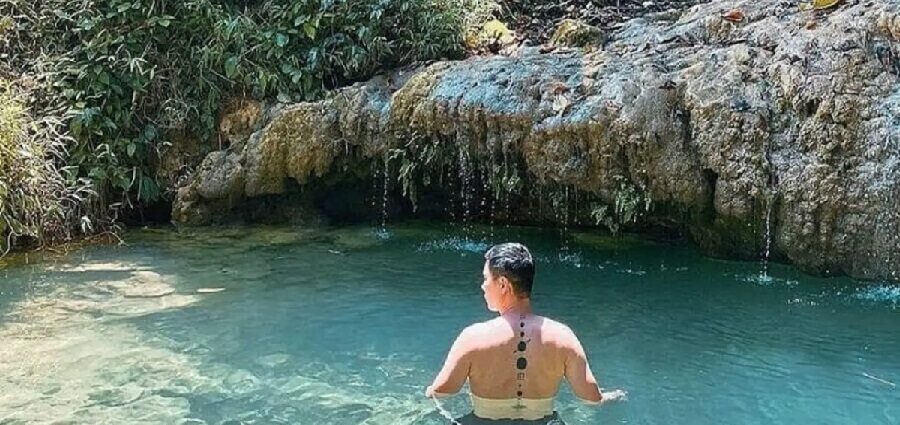
Everything You Need to Know Before Visiting Hieu Waterfall in Pu Luong Nature Reserve
Nestled in the heart of Pu Luong Nature Reserve, Hieu Waterfall is one of Vietnam’s most enchanting hidden gems. Its crystal-clear cascades, lush jungle surroundings, and peaceful village life make it an ideal destination for eco-conscious travelers, nature lovers, and anyone seeking a break from Vietnam’s more crowded hotspots. Everything You Need to Know Before Visiting Hieu Waterfall in Pu Luong
Whether you’re a solo explorer, a couple in search of quiet romance, or a family wanting a unique adventure, this comprehensive guide will help you make the most of your visit to Hieu Waterfall.
Where Is Hieu Waterfall?
Hieu Waterfall is located in Hieu Village, Co Lung Commune, Ba Thuoc District, in Thanh Hoa Province, northern Vietnam. It lies within the Pu Luong Nature Reserve, roughly:
- 180 km from Hanoi
- 25 km from Canh Nang town
- 40 km from Mai Chau
It’s a peaceful, lesser-known area far removed from tourist crowds, offering an authentic look into rural Vietnamese life.
How to Get to Hieu Waterfall
From Hanoi:
- By private car or motorbike: The drive takes about 4.5 to 5 hours. Take the route via National Highway 6 through Hoa Binh, then connect to QL15C into Pu Luong.
- By bus + local transfer: Take a bus from My Dinh Bus Station to Canh Nang or Pho Doan Market, then arrange a motorbike taxi or local car to Hieu Village (30–60 minutes more).
Tip: If you book accommodation in Hieu Village, many homestays can help arrange transfers or pick-up services.
Where to Stay
Hieu Village offers eco-friendly homestays and simple wooden lodges along the stream. Here are a few recommended options:
- Homestay Lan Hieu – Riverside, cozy, great meals
- Hanasa Pu Luong Resort – More comfort-focused, great for couples
- Mr. Ba’s Homestay – Authentic Thai-style house, local vibe
Prices range from $30 – $130 USD per night, including breakfast.
Things to Do at Hieu Waterfall
- Swim in the Natural Pools
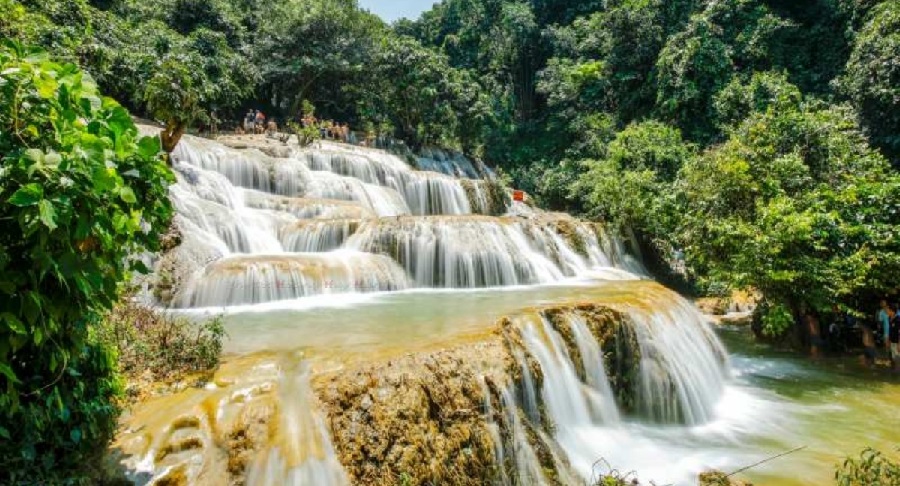
The waterfall flows in steps across smooth rock formations, creating several shallow natural pools that are perfect for a refreshing dip.
- Explore Upstream
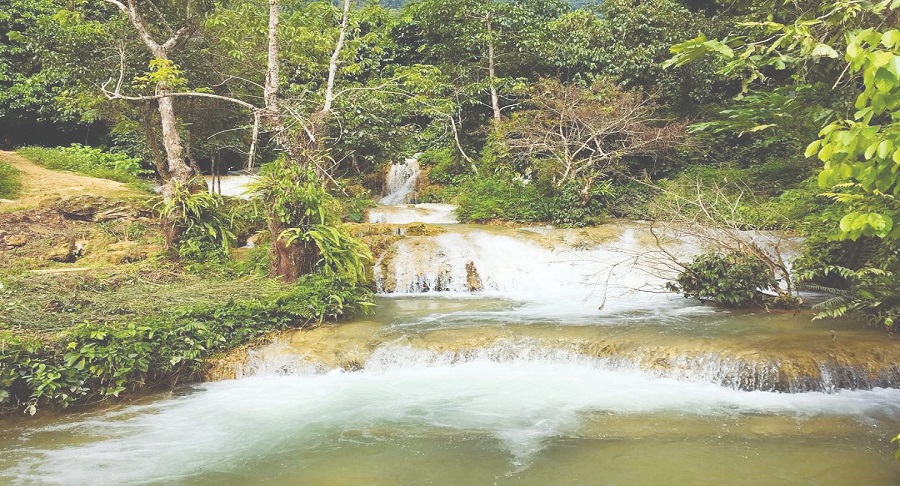
Follow the water upward to discover small side falls, forest trails, and peaceful viewpoints. Along the way, you’ll pass stilt houses and water wheels used by locals for irrigation.
- Join a Local Cooking Class
Some homestays offer cooking experiences where you can learn to make bamboo-tube rice (cơm lam), grilled fish, or canh chua (sour soup) with local herbs.
- Go Village Trekking
Combine your visit to Hieu with a trek to Pho Doan Market or Don Village. Local guides can take you through hidden trails, rice terraces, and bamboo forests.
Best Time to Visit Hieu Waterfall
| Season | Details |
| April–June | Waterfall is full and flowing, rice fields are lush. Ideal for photos. |
| July–August | Rainy season; dramatic waterfall but some trails may be slippery. |
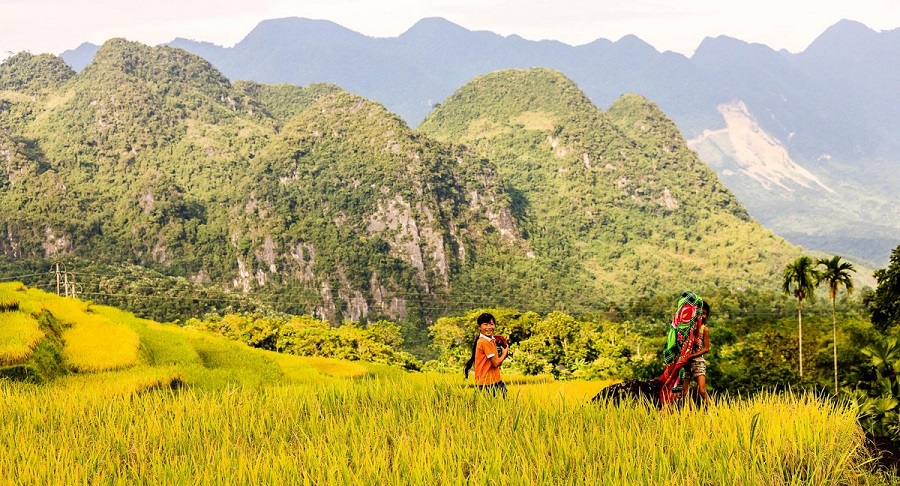
| September–October | Golden rice season – the landscape is stunning. Great time to visit. |
| November–March | Dry season, cooler air, less water flow but excellent for hiking. |
Most visitors prefer late spring and early autumn for the best weather and scenery.
What to Bring
- Comfortable hiking shoes (trail can be muddy)
- Light rain jacket (weather is unpredictable)
- Swimwear & towel
- Eco-friendly sunscreen and insect repellent
- Waterproof phone pouch or dry bag
- Refillable water bottle (limited shops)
- Small cash (some places don’t accept cards)
Note: There’s little to no ATM access in the village — bring cash from Hanoi or Thanh Hoa.
Travel Tips and Safety
- Go with a guide if you’re new to trekking or not fluent in Vietnamese. Most guides are local and very knowledgeable.
- Respect local customs: Hieu Village is home to the Thai ethnic minority. Dress modestly, avoid loud noise at night, and ask before taking photos.
- Watch your step: Rocks can be slippery around the waterfall. Walk slowly and wear proper footwear.
- Don’t leave trash: Bring all waste back with you. Help preserve this pristine area.
Photography Tips
- Morning light (7:00–9:00 AM) is best for soft, glowing water shots.
- Use slow shutter speeds to capture the waterfall’s silky flow.
- Get creative with angles — some of the best shots are taken downstream looking up at the stilt houses and water wheels.
Why Hieu Waterfall Should Be on Your Vietnam Itinerary
While places like Sa Pa and Ha Long Bay are well-known, Hieu Waterfall offers something special: quiet, authenticity, and connection to nature. It’s perfect for travelers seeking:
- Off-the-beaten-path Vietnam
- Eco-tourism and cultural immersion
- Unique trekking experiences
- A peaceful break from urban life
Pu Luong’s magic lies in its silence, its smiles, and its scenery. Hieu Waterfall is the heart of that experience.
Booking Tips
- Book homestays 1–2 weeks in advance during weekends or harvest season (Sept–Oct)
- Ask if meals and guided tours are included in the rate
- Check recent reviews to confirm service quality and facilities
Suggested Itinerary (2 Days, 1 Night)
Day 1: – Arrive at Hieu Village before noon. – Check in and lunch at a homestay. – Explore Hieu Waterfall + swim + relax. – Sunset walk + traditional dinner
Day 2: – Morning trek to upper falls or nearby fields. – Visit water wheels and chat with locals. – Optional: Return via Don Village route for scenic drive. – Head back to Hanoi or continue exploring Pu Luong
Final Thoughts
If you’re dreaming of Vietnam beyond the tourist trail, Hieu Waterfall in Pu Luong is calling. With its mix of nature, culture, and tranquility, it’s one of the most authentic, serene, and unforgettable spots in northern Vietnam. Everything You Need to Know Before Visiting Hieu Waterfall in Pu Luong
Don’t just pass through — stay, swim, talk, and let the rhythm of the water remind you what travel is really about.
FAQ – Everything You Need to Know Before Visiting Hieu Waterfall in Pu Luong
Useful answers for visiting Hieu Waterfall in Pu Luong: location, transport from Hanoi, swimming, trekking, best season, family travel, where to stay, packing tips and responsible tourism.