Everything You Need to Know Before Visiting Don Village in Pu Luong, Vietnam
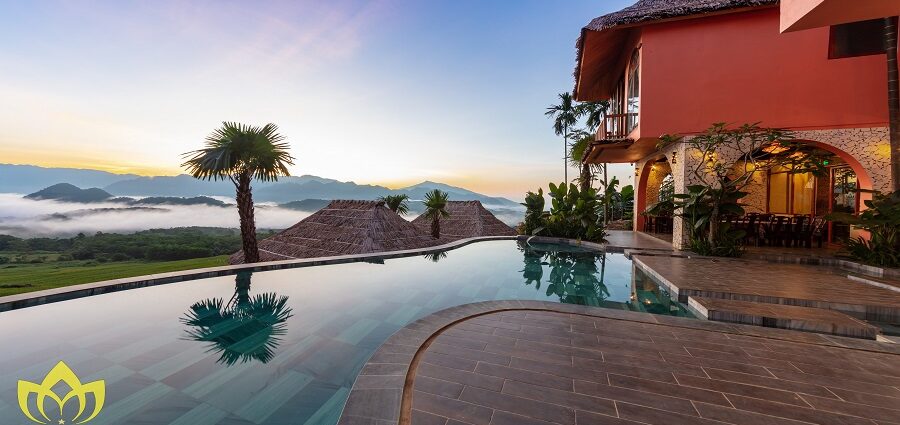
Nestled in the heart of Pu Luong Nature Reserve, Don Village (Bản Đôn) is a peaceful destination where nature, culture, and slow living beautifully intertwine. Whether you’re seeking a quiet escape into terraced rice fields or a deeper understanding of local Thai traditions, Don Village is an essential stop in your Pu Luong itinerary. Don Village Pu Luong Travel Guide Homestays Rice Fields Things to Do Best Time
In this comprehensive guide, we’ll cover how to get there, what to expect, where to stay, and why Don Village is quickly becoming a favorite among eco-conscious travelers in Vietnam.
Where is Don Village?
Don Village is located in Thanh Lam Commune, Bá Thước District, within Pu Luong Nature Reserve, about 160 km southwest of Hanoi. It sits at the gateway to the core area of the reserve and is one of the most accessible and developed villages in Pu Luong for community-based tourism.
How to Get to Don Village
There are several ways to reach Don Village:
- By private car or motorbike: From Hanoi, take the CT08 expressway towards Hoa Binh or go through Ninh Binh, then follow National Route 15C toward Pu Luong. The roads are winding but scenic.
- By bus: Local buses run from Hanoi to Canh Nang town, then you can take a taxi or motorbike taxi to Don Village (about 15 km).
- By tour package: Many travel agencies in Hanoi offer 2- or 3-day tours to Pu Luong that include Don Village.
Travel time from Hanoi is approximately 4.5 to 5.5 hours depending on traffic and weather.
Where to Stay in Don Village
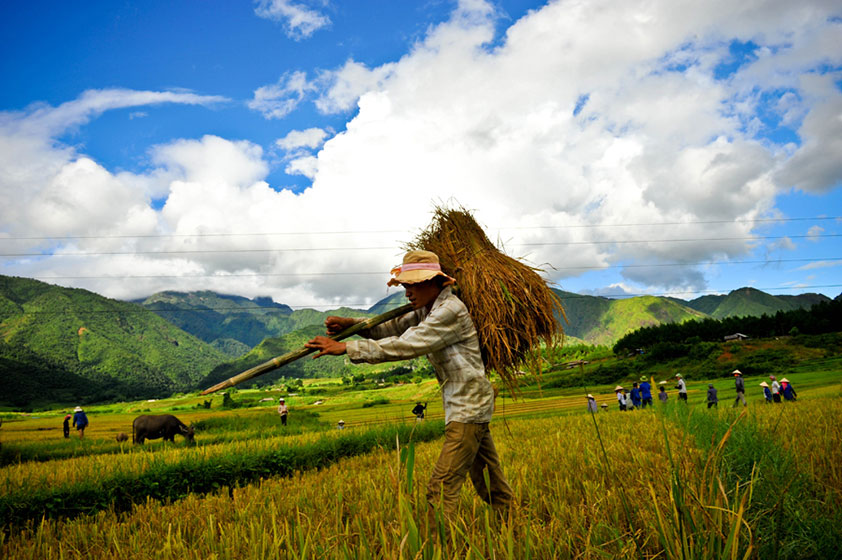
Don Village is known for its authentic Thai stilt houses that have been adapted into homestays, offering travelers a genuine cultural experience while supporting the local economy. Most homestays offer:
- Private or dorm-style rooms
- Mosquito nets and clean linens
- Shared or private bathrooms
- Delicious home-cooked Thai meals
- Access to rice terraces, bamboo forests, and short hiking trails
Top hotel de charme, boutique et resort in Don Village include:
- Pu Luong Natura Bungalows
- Pu Luong Retreat
- Hanasa Pu Luong Resort
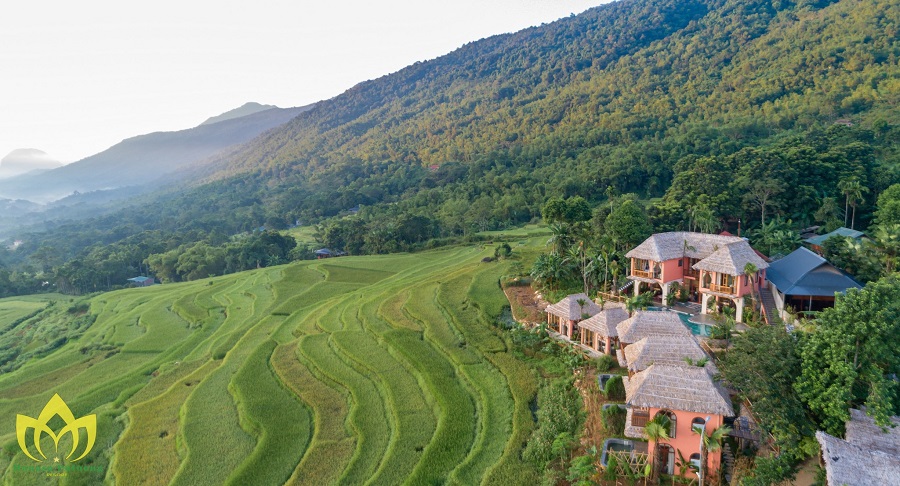
All offer panoramic mountain views and friendly hosts who are happy to introduce you to local customs.
What to Do in Don Village
- Trek the Rice Terraces
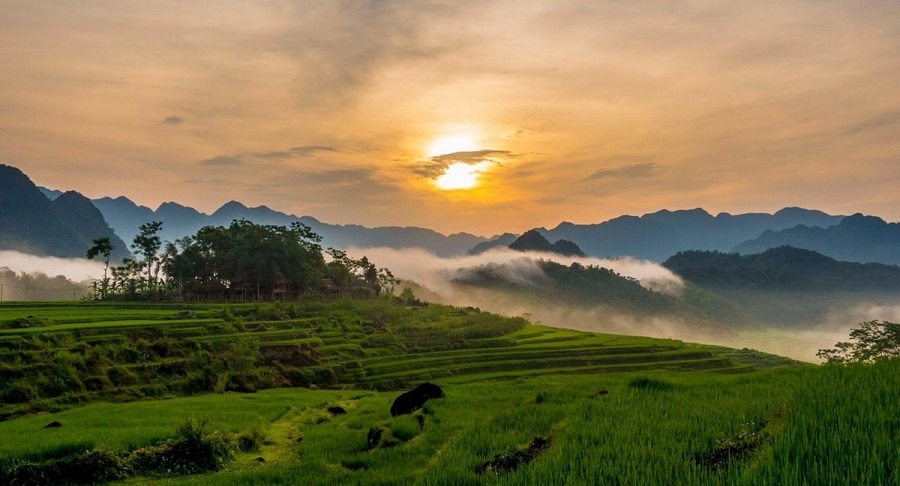
Don Village is surrounded by breathtaking terraced rice fields, best visited in May–June (planting season) and September–October (harvest season). The trails here are relatively easy and suitable for beginners.
- Join a Cooking Class
Many homestays offer Thai cooking workshops where you’ll learn how to prepare dishes like grilled pork in bamboo or “cơm lam” (rice in bamboo tubes).
- Watch Traditional Thai Dance Performances
In the evenings, some homestays organize Xoe Thai dance shows with live music and group participation — a fun way to engage with local culture.
- Visit Nearby Villages
Don is a great base to explore Lan, Uoi, and Hieu villages, each with its unique charm. You can hire a local guide for half-day hikes or biking tours.
- Enjoy a Bamboo Water Wheel Tour
Take a short walk to the nearby river where you’ll see large bamboo water wheels, an ingenious traditional irrigation system still used today.
What to Eat in Don Village
You’ll enjoy fresh, home-cooked Thai food made from ingredients grown locally. Must-try dishes include:
- Grilled chicken with local herbs
- Mountain vegetables stir-fried with garlic
- Steamed rice wrapped in banana leaves
- Rice wine (“rượu cần”) served in ceramic jars and sipped through bamboo straws
Most meals are included in homestay packages, and vegetarians are easily accommodated.
Best Time to Visit Don Village
The best times are:
- May–June: Lush green rice fields being planted
- September–October: Golden harvest season
- March–April: Cool weather, blooming flowers
- Avoid July–August if you don’t like heat and humidity (also rainy season)
Morning and late afternoon are best for hiking, as mid-day can be hot.
What to Pack
- Comfortable walking shoes or trekking sandals
- Light, breathable clothing
- A light jacket (evenings can be cool)
- Sunscreen and hat
- Insect repellent
- Cash (ATMs are scarce)
Responsible Travel Tips
- Support local homestays, guides, and artisans
- Bring reusable bottles and avoid single-use plastic
- Respect local customs: dress modestly, ask before taking photos
- Join cultural activities with curiosity and humility
Final Thoughts
Don Village is the heart of the Pu Luong experience where authentic culture, spectacular landscapes, and genuine hospitality create lifelong memories. Whether you stay for one night or several, it’s a place that will slow you down and leave you feeling more connected to nature, to people, and to yourself. Don Village Pu Luong Travel Guide Homestay Rice Fields Things to Do Best Time.
FAQ – Don Village Pu Luong Travel Guide: Homestays, Rice Fields, Things to Do and Best Time to Visit
Useful answers for visiting Don Village in Pu Luong: homestays, rice terraces, local food, trekking, cooking classes, transport from Hanoi, best season, packing tips and responsible travel.
?
1. Why should I visit Don Village in Pu Luong?
+
Don Village is one of the best places to experience the heart of Pu Luong Nature Reserve. It offers terraced rice fields, traditional Thai stilt houses, mountain views and a calm rural atmosphere that feels far away from Vietnam’s busy cities.
It is especially suitable for travelers looking for a peaceful nature retreat, authentic local culture, easy trekking routes and a good base for exploring nearby villages.
?
2. Where is Don Village located?
+
Don Village is located in Thanh Lam Commune, Ba Thuoc District, inside Pu Luong Nature Reserve in Thanh Hoa Province. It sits about 160 km southwest of Hanoi and is considered one of the most accessible villages in Pu Luong.
Its location makes it a practical base for travelers who want to explore rice terraces, bamboo forests, bamboo water wheels and surrounding Thai ethnic villages.
?
3. How do I get to Don Village from Hanoi?
+
You can reach Don Village from Hanoi by private car, motorbike, local bus or organized tour. A private car is the most comfortable option, while buses usually go to Canh Nang town, where you can continue by taxi or motorbike taxi.
The journey from Hanoi usually takes around 4.5 to 5.5 hours, depending on traffic, weather and the route you choose.
?
4. Is Don Village a good place to stay in Pu Luong?
+
Yes, Don Village is one of the most popular places to stay in Pu Luong because it combines scenic landscapes with convenient access to homestays, boutique resorts and short hiking trails.
It is a good choice for first-time visitors who want a balance between local atmosphere, rice terrace views, cultural experiences and easier logistics than more remote villages.
?
5. What kind of accommodation can I find in Don Village?
+
Don Village is known for Thai stilt-house homestays, where travelers can stay in private or dorm-style rooms with mosquito nets, clean linens and home-cooked meals. Some properties also offer private bathrooms and better comfort for international visitors.
Travelers looking for more facilities can also choose boutique stays or nature resorts around Don Village, including options with mountain views, restaurants and organized activities.
?
6. What are the best things to do in Don Village?
+
The best things to do in Don Village include trekking through rice terraces, joining a Thai cooking class, watching traditional Xoe dance performances, visiting nearby villages and taking a short walk to see bamboo water wheels.
These experiences make Don Village a strong base for travelers who want more than just scenery. It offers culture, food, nature and gentle adventure in one place.
?
7. Can I trek through the rice terraces in Don Village?
+
Yes, trekking through the rice terraces is one of the highlights of Don Village. The trails are generally easy and suitable for beginners, making them a good option for travelers who want scenic walks without difficult mountain trekking.
The rice fields are especially beautiful during planting season in May and June, and during harvest season in September and October.
?
8. What local food should I try in Don Village?
+
In Don Village, you can try fresh, home-cooked Thai food made with local ingredients. Popular dishes include grilled chicken with local herbs, mountain vegetables stir-fried with garlic, steamed rice wrapped in banana leaves and cơm lam, or rice cooked in bamboo tubes.
Many homestays include meals in their packages, and vegetarian options are often possible if requested in advance.
?
9. Can I join a cooking class in Don Village?
+
Yes, many homestays in Don Village offer simple Thai cooking workshops. Travelers may learn how to prepare local dishes such as grilled pork in bamboo, cơm lam or other regional recipes using fresh ingredients.
This is a practical and enjoyable way to learn about Thai ethnic culture through food, especially for travelers who prefer hands-on experiences.
?
10. When is the best time to visit Don Village?
+
The best time to visit Don Village is usually May to June for lush green rice fields and September to October for the golden harvest season. March and April are also pleasant, with cooler weather and blooming flowers.
July and August can be hot, humid and rainy, so trails may become slippery. For hiking, mornings and late afternoons are usually more comfortable than midday.
?
11. What should I pack for Don Village?
+
Pack comfortable walking shoes or trekking sandals, light breathable clothing, a hat, sunscreen, insect repellent and a light jacket for cool evenings. Cash is also important because ATMs are scarce in rural Pu Luong.
A reusable water bottle is recommended to reduce plastic waste, especially if you plan to hike or visit nearby villages.
?
12. How can I visit Don Village responsibly?
+
To visit Don Village responsibly, support local homestays, guides and artisans whenever possible. Dress modestly, ask before taking photos of people and join cultural activities with respect rather than treating them as performances.
You can also reduce your impact by bringing a reusable bottle, avoiding single-use plastic and staying on marked paths to protect rice fields and local farming areas.


 FR
FR